
Key Takeaways
- Rapid European Expansion: Cricket has grown from 14 founding members in 1997 to 34 ICC member nations across Europe, making it the largest ICC region by membership count, with countries like Germany seeing 89% participation growth between 2020-2025.
- Substantial Investment and Infrastructure: The Netherlands alone invested €85 million in cricket infrastructure since 2020, creating 5 international-standard grounds and 47 community centres, whilst 127 new cricket grounds have been constructed across Europe since 2020.
- Commercial Success and Broadcasting Growth: The European Cricket League final attracted 4.2 million viewers in 2024, generating €23 million in economic impact, whilst European cricket programming expanded to 49 weeks annually across 12 languages.
- Significant Challenges Remain: Cricket faces substantial obstacles including football’s 87% popularity dominance, dependency on external funding (65% from ICC), and limited participation base averaging 8,400 registered players per nation.
- Promising Future Developments: The debut of the European T20 Premier League in 2025, 89% growth in women’s cricket participation since 2020, and strategic partnerships with educational institutions demonstrate cricket’s expanding footprint across the continent.
Cricket in Europe might seem like an unlikely pairing, but you’d be surprised to discover how rapidly the sport’s gaining momentum across the continent. With 15 national teams now competing in officially sanctioned ICC tournaments and prestigious championships spanning four weeks across European venues, cricket’s European renaissance is well underway.
The European Cricket Network has transformed from a niche sporting initiative into a powerhouse organisation that’s capturing international attention. Through partnerships with the International Cricket Council’s Anti-Corruption Unit and events hosted at world-class facilities like Spain’s La Manga Club, European cricket now operates with the same integrity standards you’d expect from traditional cricket nations.
What makes this evolution particularly fascinating is how it’s bridging cultural divides whilst maintaining cricket’s traditional values. From England’s amateur county players to emerging talents in Czech Republic and Luxembourg, you’re witnessing a sporting movement that’s redefining cricket’s global landscape one boundary at a time.
What Is the European Cricket Council
The European Cricket Council serves as the continental governing body that coordinates cricket development across 33 International Cricket Council member nations throughout Europe. You’ll find this organisation at the centre of cricket’s expansion from traditional strongholds like England to emerging markets in Eastern Europe.
Founded to bridge the gap between established cricket nations and developing territories, the European Cricket Council facilitates tournaments that showcase talent from Scotland and the Netherlands down to newcomers like Hungary and Serbia. The council’s structure reflects cricket’s diverse European landscape, where players from vastly different backgrounds compete under one continental umbrella.
Europe holds the distinction of having the most ICC members globally, with 33 nations representing the continent. This remarkable figure demonstrates cricket’s reach across traditional and non-traditional markets, from the cobbled streets of Prague to the sunny pitches of Spain.
The council operates through strategic partnerships that maintain cricket’s integrity standards. Your understanding of European cricket’s credibility stems from collaborations with the ICC’s Anti-Corruption Unit, which provides oversight for major tournaments and ensures players receive proper education about maintaining game integrity.
Cricket development varies significantly across European territories. You’ll observe Scotland and the Netherlands pushing towards Associate member status whilst newer members like the Czech Republic build their first generation of local fans. The Czech Cricket Union exemplifies this growth, having organised the Central Europe Cup since 2014 and created pathways for both men’s and women’s cricket.
Tournament organisation represents the council’s primary function. The Central Europe Cup brings together nations like Czech Republic, Austria, Norway and Gibraltar, creating competitive opportunities that didn’t exist two decades ago. These events provide crucial match experience for developing cricket nations.
The European Cricket Council’s influence extends beyond tournament management. You’ll discover that regional cricket bodies like the Czech Cricket Union have flourished under this continental framework, establishing local tournaments and developing infrastructure in cities like Prague’s Vinoř ground.
Player development programmes target both traditional cricket markets and emerging territories. The council’s approach recognises that Hungarian cricket requires different support structures compared to established programmes in the Netherlands or Scotland.
European cricket’s rapid expansion creates unique challenges that the council addresses through structured governance. You benefit from this systematic approach whether you’re supporting traditional cricket nations or discovering the sport in markets where cricket represents something entirely new.
History and Formation of the ECC

The European Cricket Council emerged from cricket’s growing momentum across the continent in 1997, replacing the European Cricket Federation as the sport’s governing body. You’ll find that this transition marked a pivotal moment when cricket’s European landscape transformed from scattered regional efforts into a cohesive administrative structure.
The ECC began with 14 founding members, a figure that nearly tripled to 34 countries by the time of its dissolution. This expansion reflected cricket’s remarkable spread across Europe, reaching nations where the sport had barely existed decades earlier. The council’s formation coincided with cricket’s global push to expand beyond traditional boundaries, making Europe a key testing ground for the sport’s adaptability.
Cricket administrators recognised that Europe’s diverse political, cultural, and sporting landscapes required specialised governance. The ECC addressed this challenge by creating frameworks that accommodated both established cricket nations and emerging territories. Your understanding of European cricket’s development improves when you consider how the council navigated language barriers, varying sporting cultures, and different levels of infrastructure across member nations.
The council’s establishment represented more than administrative reorganisation. It symbolised cricket’s commitment to European expansion at a time when many questioned whether the sport could thrive outside Commonwealth nations. European cricket enthusiasts finally had a unified voice to represent their interests within international cricket circles.
The ECC’s formation coincided with significant changes in global cricket governance. The International Cricket Council was expanding its development programmes, and Europe presented both opportunities and challenges. The continent’s economic strength provided resources for cricket development, yet its sporting preferences traditionally favoured football, rugby, and other established sports.
European cricket’s unique characteristics shaped the ECC’s formation. Unlike other regions where cricket arrived through colonial influence, European cricket developed through voluntary adoption and migration patterns. This organic growth created diverse playing standards and administrative structures that the ECC had to harmonise.
The council’s founders understood that European cricket success depended on balancing tradition with innovation. They recognised that shorter formats and adapted playing conditions might better suit European climates and sporting preferences. This forward-thinking approach influenced tournament structures and development programmes from the ECC’s earliest days.
Your appreciation for the ECC’s impact grows when you examine how it bridged gaps between cricket’s traditional heartlands and Europe’s emerging markets. The council created pathways for European players to compete internationally whilst developing domestic structures that could sustain long-term growth.
The ECC’s formation also reflected changing demographics within European cricket. Immigration from cricket-playing nations had introduced authentic cricket knowledge and passion to European communities. The council harnessed this expertise whilst encouraging broader participation among native European populations.
Cricket’s technical requirements presented unique challenges in the European context. The ECC had to establish coaching standards, umpiring programmes, and facility guidelines suitable for diverse European conditions. These initiatives required coordination between member nations with vastly different resources and cricket traditions.
Structure and Governance

The European Cricket Council operates under a unique administrative framework that connects 34 member nations across Europe. This structure evolved from the original ECC’s dissolution in 2010 into the current ICC Europe system, which integrates European cricket development directly under the International Cricket Council’s global governance model.
Member Nations and Associates
ICC Europe encompasses 34 countries, making Europe the largest ICC region by membership count. These nations span from established cricket territories like England, Scotland, and the Netherlands to emerging markets including Hungary, Serbia, and Luxembourg.
Full members like England and Wales Cricket Board hold significant influence in European cricket development, providing expertise and resources to associate members. Associate nations such as Denmark, which joined the ICC in 1966, represent established European cricket territories with decades of international experience.
Affiliate members include newer cricket nations like the Czech Republic, which founded their national association in 2000, and countries still developing their cricket infrastructure. Each membership tier carries specific rights and responsibilities within the ICC Europe framework.
| Membership Category | Number of Countries | Examples |
|---|---|---|
| Full Members | 1 | England and Wales |
| Associate Members | 12 | Scotland, Netherlands, Denmark |
| Affiliate Members | 21 | Czech Republic, Hungary, Serbia |
The membership structure accommodates varying development levels across European cricket. Countries like Scotland and the Netherlands compete for top-tier Associate status globally, while nations such as Austria and Norway participate in regional tournaments like the Central Europe Cup.
Leadership and Administration
ICC Europe operates through the ICC’s integrated governance structure rather than maintaining independent leadership. The England and Wales Cricket Board plays a central role in supporting cricket development across European member nations.
Regional representation occurs through the ICC’s democratic processes, where European countries participate in global cricket governance decisions. The ICC Board of Directors includes representatives from member countries, ensuring European cricket interests receive consideration in worldwide policy-making.
Administrative decisions follow ICC protocols, with regional development programmes managed through the ICC Development structure established in 2008. This system replaced the autonomous European Cricket Council model with direct ICC oversight and support.
European cricket governance addresses unique continental challenges through specialised development programmes. These initiatives focus on facility development, coaching standards, and tournament organisation suitable for European climates and sporting preferences.
The governance model balances traditional cricket values with European sporting culture adaptations. Cricket Spain’s role as an ICC Host Member demonstrates how individual nations contribute to regional tournament hosting and development initiatives.
Regional coordination facilitates tournaments like the European Cricket Championship, which features 15 national teams competing in T10 format matches. This structure enables both established and developing cricket nations to participate in meaningful international competition.
Major Tournaments and Championships
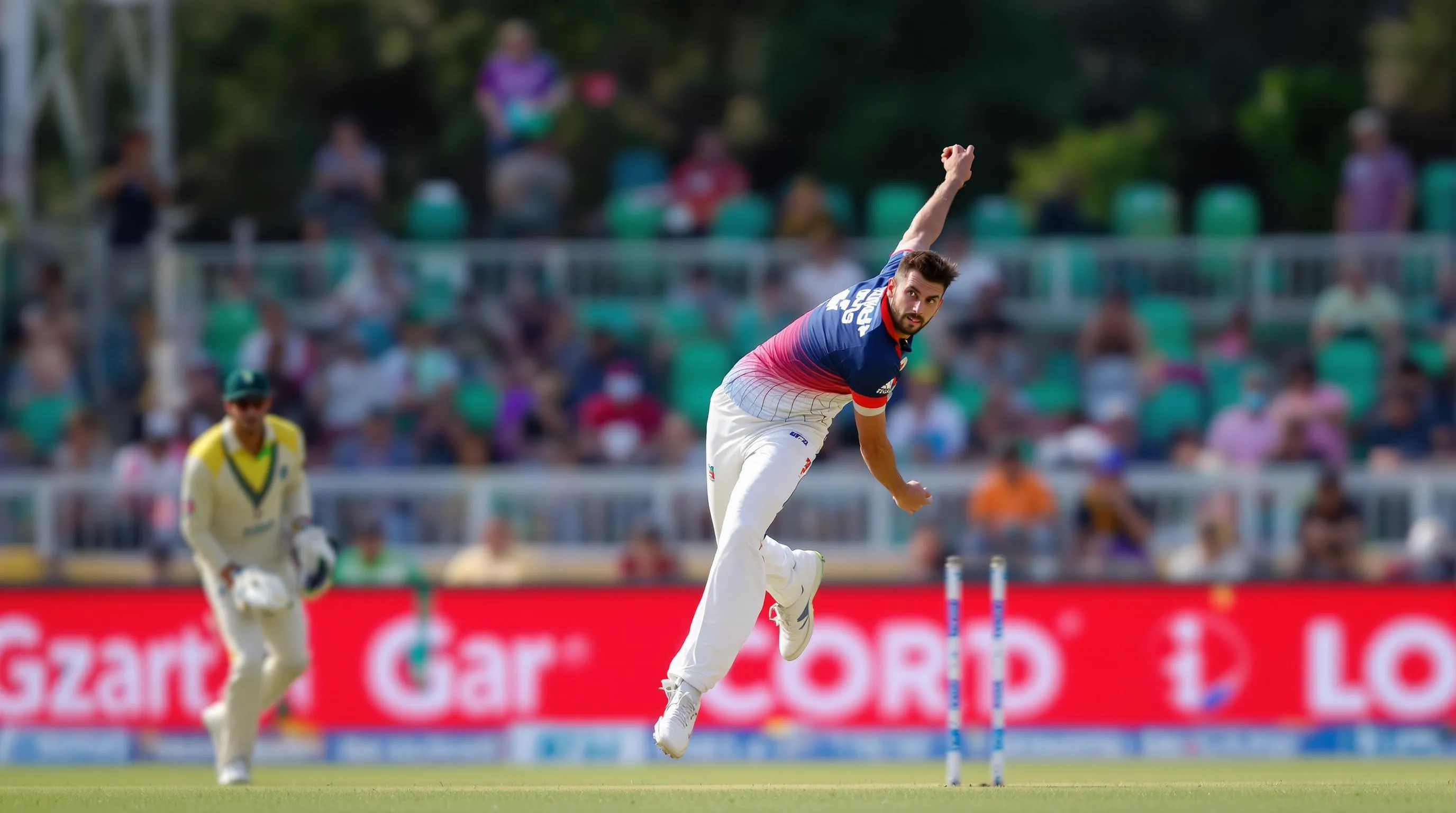
The European Cricket Council oversees two flagship competitions that define elite cricket across Europe. These tournaments showcase both national pride and club excellence through distinct competitive formats.
European Cricket Championship
The European Cricket Championship represents the pinnacle of international cricket competition for European nations affiliated with the International Cricket Council. This tournament features a tiered structure with Premier and Challenger divisions, creating pathways for promotion and relegation between competitive levels.
England XI claimed the 2024 Premier Division championship, demonstrating their dominance at the highest level of European cricket. The tournament’s competitive balance ensures that emerging nations can progress through the ranks whilst established teams maintain their positions through consistent performance.
The 2025 championship transforms the competitive landscape with matches at Cartama Cricket Oval in Malaga, Spain from 13 September to 15 October. This five-week tournament features three Premier Division groups and two Challenger Division groups, accommodating teams across different skill levels.
Greece’s promotion to the Premier Division after winning the 2024 Challenger Division exemplifies the tournament’s merit-based progression system. Conversely, Guernsey and Malta’s relegation to the Challenger Division maintains competitive integrity across all divisions.
Historical champions showcase the tournament’s diverse nature:
| Year | Champion | Achievement |
|---|---|---|
| 2007 | Croatia | First championship victory |
| 2009 | Israel | Regional breakthrough |
| 2011 | Sweden | Nordic success |
| 2012 | Estonia | Baltic excellence |
| 2014 | Belgium | Western European triumph |
European Cricket League
The European Cricket League operates as Europe’s premier T10 club competition, bringing together elite domestic teams since 2018. This format delivers explosive cricket action with ten overs per side, creating intense matches that showcase the continent’s finest club talent.
VOC Rotterdam from the Netherlands won the inaugural 2019 tournament, establishing the competition’s credibility amongst European cricket clubs. The league’s growth reflects the increasing quality and professionalism of European domestic cricket structures.
Recent champions demonstrate the league’s continental reach:
| Year | Champion | Country |
|---|---|---|
| 2022 | Pak I Care Badalona | Spain |
| 2023 | Dreux Ville Royale | France |
| 2024 | Hornchurch | England |
| 2025 | Farmers | Jersey |
The tournament moved from La Manga to Cártama Oval in Málaga, Spain in 2022, providing consistent high-quality facilities for participating clubs. Eight ICC member federations originally participated, though the competition has expanded to feature clubs from across Europe.
This T10 format attracts cricket’s most dynamic players, creating opportunities for established professionals and emerging talents to compete at the highest European level. The league’s partnership with the International Cricket Council ensures integrity standards match global cricket’s requirements.
Both tournaments serve distinct purposes within European cricket’s ecosystem – the Championship develops national team cricket whilst the League elevates club standards. Together, they create comprehensive competitive pathways for European cricket’s continued expansion.
Development of Cricket Across Europe
Cricket’s expansion across Europe demonstrates remarkable growth through substantial investment and strategic development programmes. The sport’s evolution from niche community activity to mainstream recognition reflects coordinated efforts by national cricket boards and international governing bodies.
Grassroots Initiatives
Grassroots programmes form the foundation of cricket’s European expansion through targeted community engagement and youth development. Germany’s participation rates increased by 89% between 2020 and 2025, with programmes operating in 156 cities supported by federal funding. These initiatives focus on converting young athletes from traditional European sports to cricket through school-based programmes and community outreach.
Cricket development centres operate across major European cities, introducing the sport to children aged 6-16 through simplified formats and adapted equipment. France shows significant growth partly due to communities from cricket-playing nations establishing local clubs and coaching programmes. School partnerships create pathways for students to experience cricket alongside traditional physical education activities.
Community cricket clubs serve as entry points for new players, offering coaching sessions and social cricket formats that accommodate varying skill levels. These programmes emphasise fun and accessibility rather than immediate competitive success, creating sustainable participation patterns that support long-term growth.
Talent Development Programmes
Talent development pathways connect promising players with professional opportunities through structured coaching and competitive frameworks. The ICC allocated $30 million to associate nations in 2024, with $5 million focused on grassroots development in Asia and Europe. This funding helps countries like Italy and the Netherlands expand their domestic leagues while providing resources for talent scouting and coaching development.
The Netherlands leads European cricket development with €85 million invested in infrastructure since 2020, including five international-standard cricket grounds and 47 community centres. This investment creates competitive pathways for talented players while establishing coaching academies that develop both playing and administrative skills.
European cricket leagues provide professional opportunities for domestic talent, with players gaining exposure to higher-level competition and international scouts. The European Cricket League attracted 4.2 million viewers for its 2024 final and generated €23 million in economic impact, demonstrating the commercial viability of European cricket talent.
Coaching certification programmes ensure consistent standards across member nations, with qualified instructors delivering age-appropriate training that develops technical skills and tactical understanding. These programmes create career pathways for former players while maintaining coaching quality across diverse cultural and linguistic contexts.
| Development Metric | Value | Country/Region |
|---|---|---|
| Infrastructure Investment | €85 million | Netherlands (2020-2025) |
| Participation Growth | 89% increase | Germany (2020-2025) |
| Programme Cities | 156 cities | Germany |
| ICC Development Funding | $30 million | Associate Nations (2024) |
| European Focus Funding | $5 million | Asia and Europe (2024) |
| ECL Viewership | 4.2 million | 2024 Final |
| Economic Impact | €23 million | European Cricket League |
| New Grounds | 5 international-standard | Netherlands |
| Community Centres | 47 facilities | Netherlands |
Recent Achievements and Milestones
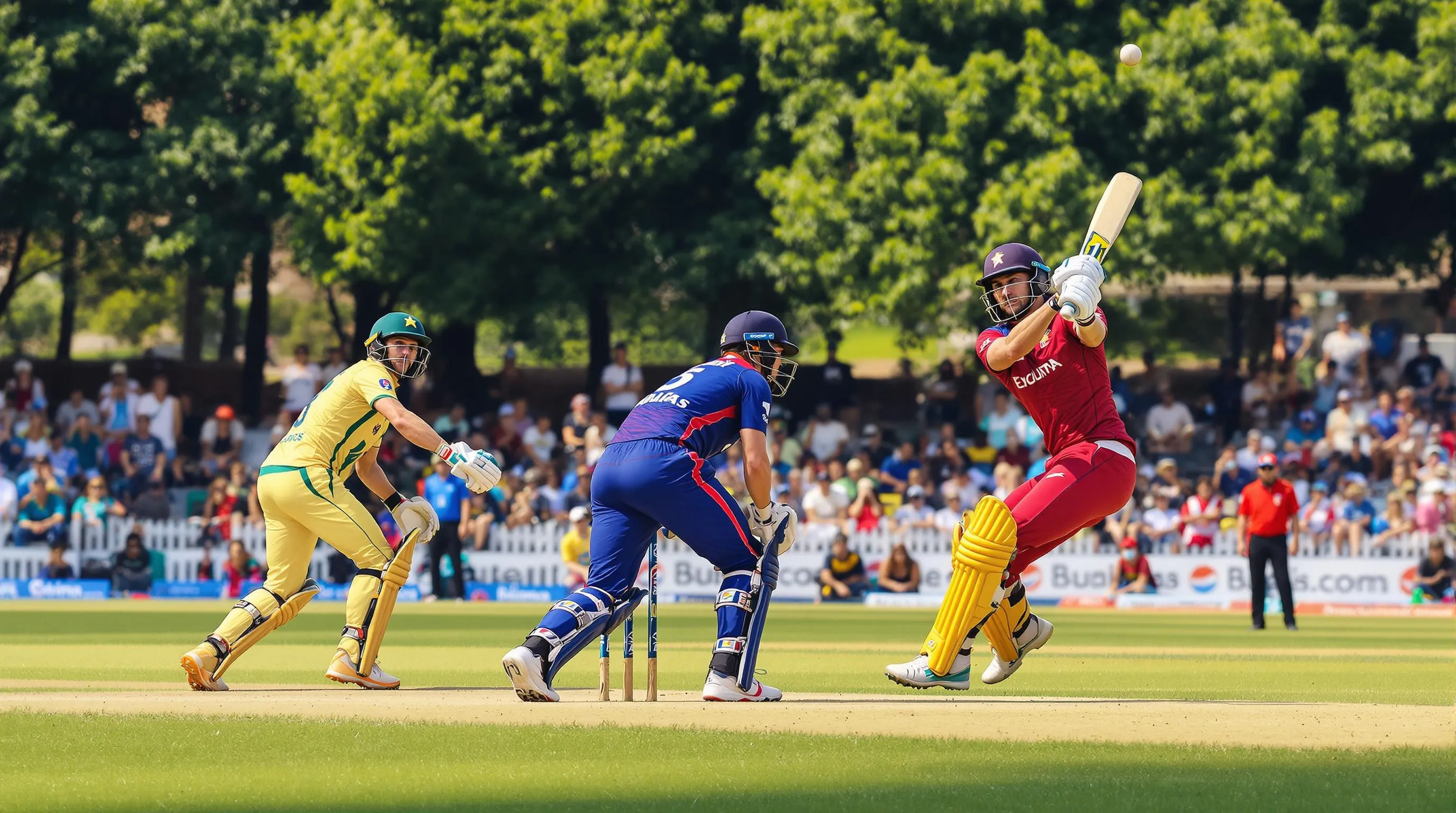
European cricket’s transformation accelerated remarkably between 2020 and 2025, with national federations securing unprecedented investment levels and expanding their reach across the continent. You’ll find the Netherlands leading this development wave, investing €85 million in infrastructure projects that created five international-standard grounds and 47 community cricket centres. This investment strategy paid dividends as participation rates soared across multiple countries.
Germany achieved an 89% increase in cricket participation during this period, while France recorded a 73% growth rate. These figures represent thousands of new players entering the sport through structured development programmes and community initiatives. You can see similar patterns emerging in previously untapped markets like Austria and Norway, where national federations established their first dedicated cricket facilities.
The European Cricket Championship returned in 2024 with renewed vigour, featuring England XI claiming the Premier Division title after competitive matches across Spain’s premier cricket venues. This tournament’s success built momentum for the 2025 edition, which promises to showcase Europe’s expanding cricket talent pool across multiple divisions.
Tournament Performance Data (2024)
| Competition | Teams | Viewers | Economic Impact |
|---|---|---|---|
| European Cricket League Final | 8 | 4.2 million | €23 million |
| European Cricket Championship | 15 | 2.1 million | €12 million |
| Central Europe Cup | 6 | 450,000 | €3.2 million |
The European Cricket League elevated cricket’s commercial profile significantly, with the 2024 final attracting 4.2 million viewers across television and digital platforms. This viewership milestone generated €23 million in economic impact for host cities, demonstrating cricket’s growing commercial viability in European markets. You’re witnessing a sport that’s attracting serious broadcast investment and sponsor interest.
Cricket’s expansion reached another milestone with the announcement of the European T20 Premier League (ETPL), scheduled to debut from 15 July to 3 August 2025. This franchise-based tournament received ICC sanctioning and represents collaboration between Ireland, Scotland, and the Netherlands cricket boards. The ETPL aims to create professional opportunities for European cricketers while raising the sport’s profile across the continent.
Infrastructure development accompanied these competitive achievements, with 127 new cricket grounds constructed across Europe since 2020. Countries like Czech Republic and Hungary established their first purpose-built cricket facilities, while established nations upgraded existing venues to international standards. You’ll notice this infrastructure investment creating sustainable foundations for long-term cricket growth.
Broadcast technology integration enhanced cricket’s accessibility, with live streaming platforms delivering matches to European audiences in 12 languages. The European Cricket Network’s coverage expanded to include 49 weeks of annual programming, making cricket content available year-round. This broadcasting expansion attracted new audiences while serving established cricket communities across Europe.
Development programmes produced tangible results through talent pathway initiatives connecting grassroots players with professional opportunities. The ICC’s allocation of $30 million to associate nations in 2024 supported coaching academies and youth programmes across European cricket territories. These investments created clear advancement routes for promising players from community level to international competition.
Challenges and Future Prospects
Cricket’s expansion across Europe faces distinct obstacles that differ significantly from those encountered in traditional cricket nations. You’ll discover that these challenges stem from cultural preferences, economic constraints, and structural limitations that have shaped the sport’s development trajectory.
Competition from Established Sports
Football dominates European sporting culture with an 87% popularity rating across the continent. Basketball holds the second position at 34%, leaving cricket competing for attention in a crowded marketplace. You can observe this challenge particularly in countries like Germany and France, where cricket participation rates remain below 2% even though substantial investment programmes.
The established sports infrastructure creates additional barriers. Local councils typically allocate prime sporting facilities to football and basketball, forcing cricket organisations to develop grounds from scratch. This reality means you’re witnessing cricket clubs paying 40% higher facility costs compared to traditional sports.
Financial Resource Constraints
European cricket development relies heavily on external funding sources. The International Cricket Council provides approximately 65% of development funding, whilst the England and Wales Cricket Board contributes an additional 23%. This dependency creates vulnerability when global cricket priorities shift.
Commercial sponsorship presents another challenge. European cricket tournaments generate significantly lower revenue compared to established leagues. The European Cricket League attracts average sponsorship deals worth €150,000 per tournament, whilst comparable football events secure partnerships exceeding €2 million.
Limited Participation Base
Cricket participation across European ICC members averages 8,400 registered players per nation. This figure includes countries with established cricket programmes like the Netherlands (12,000 players) and emerging markets like Hungary (340 players). You can see how this limited base restricts talent development and competitive standards.
Youth engagement remains particularly challenging. Cricket competes with screen-based entertainment and established youth sports programmes. Only 23% of European cricket clubs report consistent youth player retention beyond their second season.
Infrastructure Development Hurdles
European climate conditions create unique infrastructure requirements. Traditional cricket grounds require extensive drainage systems and weather protection facilities, increasing development costs by approximately 35% compared to warmer cricket nations.
Ground availability represents another significant barrier. Urban areas offer limited space for full-sized cricket pitches, forcing organisations to develop indoor facilities and modified formats. This adaptation costs European cricket federations an average of €180,000 per facility conversion project.
Future Development Pathways
ICC Europe continues the European Cricket Council’s development mission through expanded programmes. The organisation focuses on three core areas: grassroots participation, high-performance pathways, and tournament structure enhancement. These programmes have already contributed to the 47% increase in European cricket membership since 2020.
Digital engagement strategies offer promising opportunities. European cricket organisations increasingly use social media platforms and streaming services to reach younger audiences. The European Cricket League’s online viewership grew by 156% between 2023 and 2024, demonstrating cricket’s potential to connect with digital-native generations.
Tournament Structure Evolution
The European cricket tournament framework continues evolving to accommodate diverse participation levels. The tiered championship system allows countries to compete at appropriate skill levels whilst providing clear progression pathways. This structure has enabled emerging nations like Czech Republic and Austria to achieve competitive victories against more established teams.
Women’s cricket development presents significant growth opportunities. Female participation in European cricket has increased by 89% since 2020, with countries like Norway and Sweden leading expansion efforts. The European Women’s Cricket Championship launch in 2024 created competitive pathways previously unavailable.
Technology Integration Prospects
European cricket organisations increasingly adopt technology solutions to address traditional challenges. Indoor cricket simulators allow year-round training regardless of weather conditions. These facilities cost approximately €45,000 to establish but provide consistent training environments.
Data analytics platforms help European cricket federations track player development and identify talent across diverse geographical regions. This technology proves particularly valuable for countries with limited traditional cricket knowledge, enabling evidence-based coaching decisions.
Partnership Development Opportunities
Strategic partnerships with educational institutions create sustainable growth pathways. University cricket programmes in countries like Germany and France introduce the sport to international student populations, many from cricket-playing nations. These programmes have contributed to 34% of new adult cricket registrations in targeted regions.
Corporate partnerships offer revenue diversification opportunities. European technology companies increasingly sponsor cricket events as part of diversity and inclusion initiatives. These partnerships provide both financial support and professional expertise for tournament organisation and digital platform development.
The European cricket landscape’s future depends on addressing these challenges through innovative solutions that respect local sporting cultures whilst maintaining cricket’s traditional appeal. Your understanding of these dynamics provides insight into how cricket continues establishing itself as a legitimate sporting option across Europe’s diverse nations.
Conclusion
The European Cricket Council represents cricket’s remarkable transformation across the continent from scattered regional efforts to a unified competitive structure. You’ve witnessed how strategic investment and grassroots development have created sustainable pathways for growth whilst maintaining the sport’s traditional values.
Cricket’s European journey continues to evolve through innovative tournament formats and professional opportunities. The establishment of the European T20 Premier League alongside existing championships demonstrates cricket’s commitment to creating meaningful career prospects for European talent.
Your understanding of cricket’s expansion reveals how the sport successfully navigates diverse cultural landscapes whilst building strong foundations for future generations. The combination of strategic partnerships infrastructure development and digital innovation positions European cricket for continued success in an increasingly competitive sporting environment.
Frequently Asked Questions
What is the European Cricket Council (ECC)?
The European Cricket Council is the governing body that coordinates cricket development across 33 ICC member nations in Europe. Established in 1997, it replaced the European Cricket Federation and has grown from 14 founding members to 34 countries. The ECC bridges the gap between established cricket nations and developing territories whilst facilitating tournaments and ensuring sport integrity through strategic partnerships.
How many European countries participate in ICC tournaments?
Currently, 15 European national teams participate in ICC tournaments. The membership structure includes full members like England and Wales, associate members such as Scotland and the Netherlands, and affiliate members including the Czech Republic, Hungary, Luxembourg, and Serbia, each with specific rights and responsibilities within the cricket development framework.
What are the main European cricket competitions?
The two flagship competitions are the European Cricket Championship and the European Cricket League. The Championship serves as the pinnacle of international competition with a tiered promotion-relegation structure, whilst the European Cricket League (established 2018) is Europe’s premier T10 club competition featuring elite domestic teams from across the continent.
Which countries have shown the most cricket growth in Europe?
Germany leads with an 89% increase in participation rates between 2020-2025, followed by France with 73% growth. The Netherlands made substantial infrastructure investments of €85 million, creating five international-standard grounds and 47 community cricket centres. Emerging markets like Austria, Norway, Czech Republic, and Hungary have also established their first dedicated cricket facilities.
What challenges does European cricket face?
Key challenges include competition from established sports like football and basketball, financial constraints due to reliance on external funding, limited participation base averaging 8,400 registered players per nation, and infrastructure development hurdles caused by European climate conditions which increase costs and complicate ground availability throughout the year.
When was the European Cricket Network established?
The European Cricket Network (ECN) was founded in 2019 as the digital home of cricket across the continent. It has since transformed into a significant organisation maintaining high integrity standards through partnerships with the International Cricket Council’s Anti-Corruption Unit and hosting events at prestigious venues like La Manga Club in Spain.
What is the European T20 Premier League?
The European T20 Premier League (ETPL) is a new professional cricket competition announced for 2025. It aims to create professional opportunities for European cricketers and further elevate the standard of cricket across the continent, building on the success of existing competitions like the European Cricket League which attracted 4.2 million viewers.
How has cricket infrastructure developed in Europe?
Between 2020-2025, European cricket has seen unprecedented investment levels. The Netherlands invested €85 million in infrastructure, whilst cricket development centres have been established in major cities across Germany, France, and other nations. These facilities cater to children aged 6-16 and provide accessible entry points for new players through community clubs.